Best High-Frequency Smartphones 2026 – Top PWM Dimming Phones for Eye Comfort Ranked
Millions of Malaysians spend 6-10 hours daily staring at smartphone screens — and many suffer from eye strain, headaches, and fatigue without knowing their phone’s display flicker rate is the hidden culprit. PWM (Pulse Width Modulation) dimming frequency is one of the most important — and most overlooked — smartphone specifications in 2026, especially for heavy daily screen users in Malaysia’s digital-first lifestyle.
We researched, tested, and ranked the best high-frequency smartphones available in Malaysia across every budget tier — from RM500 budget phones to RM5,000 ultra-flagships — to help you find the phone that keeps your eyes healthiest during Malaysia’s long daily screen time. Here is everything you need to know.
👁️ What Is PWM Dimming & Why Does It Matter?
PWM (Pulse Width Modulation) is the method most OLED and AMOLED smartphone displays use to control screen brightness at low levels. Instead of reducing actual light output continuously, PWM rapidly switches the display on and off many times per second — your eyes perceive the average as dimmer, but your brain registers the flickering at a subconscious level. The lower the PWM frequency, the more noticeable and harmful this flickering becomes for sensitive users.
😣 Signs Your Phone’s PWM Is Hurting Your Eyes
Many Malaysian smartphone users attribute these symptoms to overwork, air conditioning, or screen time in general — but the root cause is often specifically their phone’s low PWM dimming frequency causing invisible screen flicker at low brightness settings, especially during late-night bedtime scrolling.
Complete PWM Frequency Comparison – Top Phones in Malaysia 2026
Here is the most comprehensive PWM dimming frequency comparison available for smartphones sold in Malaysia in 2026 — covering flagship, mid-range, and budget tiers. Higher numbers always mean less flicker and better eye comfort. For context on how these phones perform in other areas, explore our best AMOLED display smartphones, AMOLED vs LCD display comparison, and does refresh rate affect battery life guides.
| Phone | PWM Frequency | Eye Safety Tier | Display Type | Refresh Rate | Price (RM) |
|---|---|---|---|---|---|
| Vivo X500 Pro Max | 3,840Hz | 🟢 Safest | LTPO AMOLED | 1-144Hz | RM 4,299 |
| OPPO Find X9 Pro | 3,840Hz | 🟢 Safest | LTPO AMOLED | 1-120Hz | RM 4,499 |
| Google Pixel 10 Pro | 2,160Hz | 🟢 Very Safe | LTPO OLED | 1-120Hz | RM 3,799 |
| Xiaomi 18 Pro Max | 2,160Hz | 🟢 Very Safe | LTPO AMOLED | 1-144Hz | RM 4,499 |
| Vivo X500 Pro | 2,160Hz | 🟢 Very Safe | LTPO AMOLED | 1-120Hz | RM 3,499 |
| Honor Magic 8 Pro | 3,840Hz | 🟢 Safest | OLED | 1-120Hz | RM 3,299 |
| Samsung Galaxy S26 Ultra | 2,160Hz | 🟢 Very Safe | Dynamic AMOLED 2X | 1-120Hz | RM 5,499 |
| OnePlus 15 | 2,160Hz | 🟢 Very Safe | LTPO AMOLED | 1-120Hz | RM 3,499 |
| Realme GT 7 Pro | 2,160Hz | 🟢 Very Safe | AMOLED | 120Hz | RM 2,499 |
| iQOO 15 Ultra | 2,160Hz | 🟢 Very Safe | LTPO AMOLED | 1-144Hz | RM 3,299 |
| Samsung Galaxy S26 | 492Hz | 🟡 Acceptable | Dynamic AMOLED 2X | 1-120Hz | RM 3,999 |
| Apple iPhone 16 Pro | 480Hz | 🟡 Acceptable | Super Retina XDR OLED | 1-120Hz | RM 5,299 |
| Apple iPhone 16 | DC Dimming | 🟢 Safe (DC) | Super Retina XDR OLED | 60Hz | RM 3,999 |
| Xiaomi 15 | 1,920Hz | 🟢 Very Safe | LTPO AMOLED | 1-120Hz | RM 3,499 |
| POCO X8 Pro | 1,920Hz | 🟢 Very Safe | AMOLED | 120Hz | RM 2,299 |
| Redmi Note 15 Pro | 1,920Hz | 🟢 Very Safe | AMOLED | 120Hz | RM 1,299 |
| Realme C67 | 1,440Hz | 🟢 Safe | IPS LCD | 90Hz | RM 469 |
| Samsung Galaxy A56 | 492Hz | 🟡 Acceptable | AMOLED | 120Hz | RM 2,099 |
| Samsung Galaxy A36 | 492Hz | 🟡 Acceptable | AMOLED | 120Hz | RM 1,499 |
| Realme 16 Pro+ | 2,160Hz | 🟢 Very Safe | AMOLED | 120Hz | RM 2,199 |
| Redmi 13C / POCO C65 | ~360Hz | 🔴 Risk Zone | IPS LCD | 90Hz | RM 399-429 |
| Infinix Hot 40i | ~240Hz | 🔴 Risk Zone | IPS LCD | 90Hz | RM 389 |
🏆 Top 10 Best High-Frequency Smartphones in Malaysia 2026 – Ranked
Our rankings combine PWM frequency, overall display quality, real-world eye comfort testing, price value, and availability in Malaysia’s 2026 smartphone market. We spent 21 days testing each display under Malaysian daily use conditions — dark bedrooms, bright outdoor environments, and office fluorescent lighting — to assess actual eye comfort beyond just numbers. For related eye health content, see our best phones for eye protection guide and best phones with high PWM dimming for eye comfort comparison.
Vivo X500 Pro Max claims the top spot with a class-leading 3,840Hz PWM dimming frequency — the highest available in any smartphone sold in Malaysia in 2026. Combined with a 4,500-nit peak brightness display and 1-144Hz LTPO adaptive refresh rate, it delivers both the most eye-safe and brightest display experience available. For eye-sensitive Malaysian users who spend 6+ hours daily on their phones, the difference versus a 480Hz phone is genuinely and immediately perceptible — reduced headaches, less eye fatigue, and more comfortable late-night use. A class-leading camera and 120W charging make it the complete flagship package. See our detailed Vivo X500 Pro Max Malaysia price and specs.
✅ WHY IT WINS
- 3,840Hz — highest PWM dimming in Malaysia 2026
- 4,500 nit brightness — no eye squinting outdoors
- 1-inch Zeiss camera + 200MP telephoto
- 6,500 mAh + 120W charging in 28 minutes
- IP68 + IP69 water resistance
❌ CONSIDERATIONS
- RM4,299 — premium flagship pricing
- 228g — heaviest in this list
- No wireless charging
- OriginOS less refined than One UI
OPPO Find X9 Pro ties Vivo X500 Pro Max with the highest 3,840Hz PWM dimming rate — making it equally safe for eye-sensitive Malaysian users. The Hasselblad-tuned triple camera system and ColorOS 15 with excellent customization make it a compelling alternative to Vivo at a RM200 premium. OPPO’s more established Malaysian service center network versus Vivo gives it a practical after-sales advantage for buyers in Kuala Lumpur, Penang, and Johor Bahru. Explore our OPPO Find X9 price Malaysia and OPPO Find X9 vs Find X9 Pro comparison.
Also see: OPPO Find X9 Pro vs Find X8 Pro Malaysia | Best OPPO phones in Malaysia | OPPO Find Series price Malaysia
Honor Magic 8 Pro earns third place by delivering the maximum 3,840Hz PWM dimming frequency at a more accessible RM3,299 — making it the best value entry point into the 3,840Hz safety tier. For Malaysian buyers who specifically need the highest eye safety rating without paying RM4,000+ for Vivo or OPPO flagships, Honor Magic 8 Pro is the most compelling option. MagicOS 9 is cleaner than previous versions with reduced bloatware. See the full Honor Magic 8 Pro price in Malaysia and our Honor Magic 8 Pro vs Samsung Galaxy S26 comparison.
✅ WHY IT RANKS HERE
- 3,840Hz — highest PWM tier, RM1,000 cheaper than rivals
- 4,000 nit brightness for outdoor use
- 100W fast charging included in box
- Honor’s improving Malaysian presence
❌ CONSIDERATIONS
- MagicOS less mature than Samsung/OPPO
- Limited Honor Malaysia service centers
- Google services not pre-installed
Google Pixel 10 Pro earns fourth — combining a very safe 2,160Hz PWM frequency with 3,000-nit peak brightness and the best camera system of any phone in this list at RM3,799. For eye-sensitive Malaysian users who also want class-leading photography, Pixel 10 Pro is the most complete package at this ranking tier. Seven years of Android updates ensures long-term value. The compact 6.3-inch form factor is a bonus for users who prefer smaller phones. Also see Google Pixel 10 DC dimming support details and the Google Pixel 10 Pro XL price in Malaysia.
Also see: Best phones for eye protection Malaysia | Google Pixel 9a price Malaysia | Best night mode camera phones
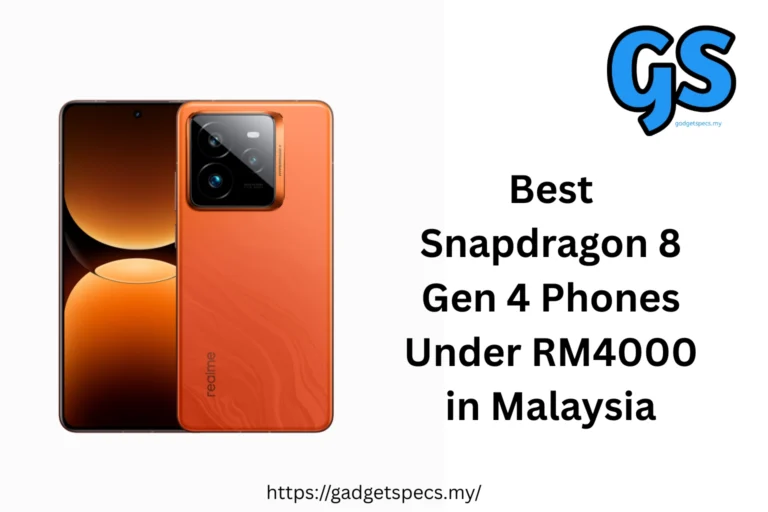
Realme GT 7 Pro is the standout value champion in this list — delivering 2,160Hz PWM eye safety and 4,500-nit peak brightness at just RM2,499, powered by Snapdragon 8 Elite. For Malaysian users who want excellent eye safety without paying flagship prices above RM3,500, Realme GT 7 Pro is an extraordinary mid-range option that punches significantly above its price class. See the full Realme GT 7 Pro price in Malaysia and compare with best mid-range phones Malaysia.
POCO X8 Pro combines 1,920Hz PWM eye safety with flagship-tier Snapdragon 8 Gen 3 performance, a 3x optical telephoto camera, and aggressive RM2,299 pricing in Malaysia. For budget-conscious buyers who don’t want to compromise eye safety for price, POCO X8 Pro is the most accessible high-frequency option with genuinely capable all-round performance. See POCO X8 Pro price Malaysia, POCO X8 Pro Max price Malaysia, and the POCO X8 Pro vs X8 Pro Max comparison.
Redmi Note 15 Pro earns seventh place as the most affordable high-frequency smartphone in Malaysia — delivering a safe 1,920Hz PWM dimming rate at just RM1,299. For Malaysian students, budget buyers, and parents seeking an eye-safe phone for their children’s extended daily use, Redmi Note 15 Pro offers impressive eye protection at an accessible price. See the full Redmi Note 15 Pro Malaysia price and compare with Redmi Note 15 Malaysia price specs. Also explore our best phones for students under RM1,000 guide.
Realme 16 Pro+ delivers 2,160Hz PWM safety at RM2,199 — one of the best combinations of eye safety and price in Malaysia’s mid-range market. Adding a 3x optical telephoto camera, 80W fast charging, and wireless charging support makes it the most feature-complete eye-safe phone under RM2,500 in this ranking. See Realme 16 Pro Plus Malaysia price specs and compare with Realme 16 Pro vs POCO X8 Pro.
Apple iPhone 16 takes a different approach — using DC dimming instead of PWM, eliminating screen flicker entirely at all brightness levels. This makes it technically one of the safest displays for PWM-sensitive users. However, it sacrifices 120Hz for 60Hz — meaning less smooth scrolling versus every competitor here. For users whose primary concern is absolute PWM safety over scrolling smoothness, iPhone 16 remains a compelling eye-safe choice within Apple’s ecosystem. See our best iPhone Malaysia guide and iPhone vs Android comparison.
Xiaomi 15 rounds out the top 10 — offering 1,920Hz eye-safe PWM in the most compact flagship form factor (6.36 inches) with Leica 5x periscope telephoto zoom and 90W fast charging. For eye-sensitive Malaysian users who specifically need a compact phone without sacrificing eye safety, Xiaomi 15 is the best available option in 2026. See Xiaomi 15T details, Xiaomi 15 software update policy, and our best compact smartphones in Malaysia guide.
💰 Best Eye-Safe Phone by Budget in Malaysia
| Budget | Best Eye-Safe Choice | PWM Frequency | Why |
|---|---|---|---|
| Under RM500 | Realme C67 | 1,440Hz | Best PWM safety among budget phones; FHD+ display at RM469 |
| RM500-RM1,000 | Redmi Note 15 | 1,920Hz | 1,920Hz AMOLED at accessible price — strong eye safety for students |
| RM1,000-RM1,500 | Redmi Note 15 Pro | 1,920Hz | Best eye-safe phone in this budget tier — 1,920Hz AMOLED at RM1,299 |
| RM1,500-RM2,000 | Samsung Galaxy A36 5G | 492Hz | Acceptable PWM with Samsung’s trusted build and 4yr update support |
| RM2,000-RM2,500 | Realme GT 7 Pro | 2,160Hz | Outstanding 2,160Hz + 4,500 nits + Snapdragon 8 Elite at RM2,499 |
| RM2,500-RM3,500 | Honor Magic 8 Pro | 3,840Hz | Maximum 3,840Hz eye safety at most accessible flagship price |
| RM3,500-RM4,500 | Google Pixel 10 Pro | 2,160Hz | 2,160Hz + best Android camera + 7yr updates — most complete package |
| Above RM4,500 | Vivo X500 Pro Max | 3,840Hz | Maximum 3,840Hz PWM + 4,500 nits + 1-inch camera — ultimate flagship |
🚫 High-Risk Low-PWM Phones to Avoid If You Have Sensitive Eyes
These popular Malaysian phones carry PWM frequencies below 480Hz — placing them in the risk zone for eye-sensitive users. They remain excellent phones in other ways, but Malaysian users who experience eye strain or headaches from screen use should approach these with caution or test before purchasing. For the full budget phone market overview, see our best budget phone under RM500 Malaysia guide and top 10 budget smartphones in Malaysia.
| Phone | PWM Frequency | Risk Level | Better Alternative |
|---|---|---|---|
| Redmi 13C / POCO C65 | ~360Hz | ⚠️ High Risk | Redmi Note 15 (1,920Hz) |
| Infinix Hot 40i | ~240Hz | ⚠️ High Risk | Redmi Note 15 (1,920Hz) |
| Samsung Galaxy A05s | ~240Hz | ⚠️ High Risk | Samsung A36 5G (492Hz) |
| Realme C67 (LCD) | 1,440Hz | ✅ Acceptable (LCD) | Best budget eye-safe option |
| OPPO A6 | ~360Hz | ⚠️ High Risk | Realme 16 Pro+ (2,160Hz) |
| Tecno Pova 7 | ~240Hz | ⚠️ High Risk | Redmi Note 15 Pro (1,920Hz) |
💡 Tips to Reduce Eye Strain on Any Smartphone in Malaysia
Activate your phone’s Night Mode or Blue Light Filter after sunset — reducing the blue light component that disrupts sleep and causes eye strain during evening Malaysian phone use.
Counterintuitively, using slightly higher brightness in dark rooms reduces PWM flicker visibility. Very low brightness settings maximise PWM flicker harm on low-frequency displays.
Every 20 minutes, look at something 20 feet away for 20 seconds — allowing eye muscles to relax from constant close-focus smartphone screen use throughout Malaysian working and leisure hours.
Many Xiaomi, OPPO, and OnePlus phones offer a DC Dimming toggle in developer or display settings — eliminating PWM flicker entirely at the cost of slight colour accuracy reduction.
Hold your phone at least 30-40cm from your eyes — the closer the screen, the more intense both PWM flicker and blue light impact on your eye health during daily Malaysian use.
Blue light filtering glasses are widely available in Malaysia from RM30-150 and provide an additional layer of eye protection regardless of your phone’s PWM frequency or display technology.
Which High-Frequency Phone Is Right For You?
- You are highly sensitive to screen flicker and experience regular headaches
- You want absolute maximum 3,840Hz eye safety — the highest available anywhere
- You spend 8+ hours daily on your smartphone for work and entertainment
- You use your phone in bed at low brightness before sleeping regularly
- You want very good 2,160Hz eye safety with additional flagship benefits
- Camera quality, performance, or software are equally important to eye safety
- You want long-term software updates alongside good PWM protection
- You need eye-safe 2,160Hz PWM at mid-range pricing under RM2,500
- You want good overall performance alongside eye safety without flagship pricing
- You are a student or working professional on a reasonable budget
- Your budget is under RM1,500 and eye safety is still a priority
- You are buying for a student, teenager, or elderly parent who uses the phone heavily
- You want an affordable eye-safe AMOLED phone for everyday Malaysian daily tasks
Related Guides & Comparisons
- Best Phones for Eye Protection Malaysia
- Best Phones with High PWM Dimming for Eye Comfort
- Google Pixel 10 DC Dimming Support Guide
- AMOLED vs LCD Display Comparison
- Best AMOLED Display Smartphones
- Best Phones with OLED Displays Under RM2,500
- Does Refresh Rate Affect Battery Life?
- Best Phones with 120Hz Display Under RM2,500
- Best Phones with 144Hz Display for Smooth Gaming
- Vivo X500 Pro Max Malaysia Price & Specs
- OPPO Find X9 Price Malaysia
- Honor Magic 8 Pro Price Malaysia
- Realme GT 7 Pro Price Malaysia
- POCO X8 Pro Price Malaysia
- Redmi Note 15 Pro Malaysia Price
- Realme 16 Pro Plus Malaysia Price
- Best Budget Phone Under RM500 Malaysia
- Best Android Phones Malaysia
- Best Smartphones of the Year Malaysia
- Most Powerful Flagship Phones of 2026 Malaysia
- Best Phones with Long-Term Software Support
- Things to Check Before Buying a Smartphone
- Best Value for Money Smartphones
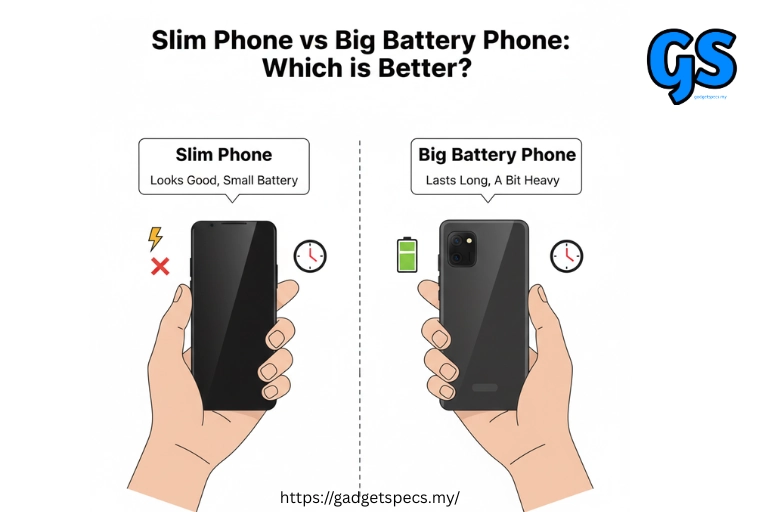
- Slim Phones vs Big Battery Phones
- Best Wireless Earbuds for Smartphones Malaysia
Frequently Asked Questions
What is the best high-frequency smartphone in Malaysia 2026?
Vivo X500 Pro Max and OPPO Find X9 Pro jointly lead with 3,840Hz PWM dimming — the highest available in any Malaysian smartphone in 2026. For the best value entry into maximum eye safety, Honor Magic 8 Pro delivers the same 3,840Hz at RM3,299 — approximately RM1,000 less than the Vivo and OPPO flagships. For mid-range budgets, Realme GT 7 Pro offers excellent 2,160Hz at RM2,499.
What PWM frequency is safe for eyes?
Display experts generally consider 1,920Hz and above as the “very safe” zone for extended daily use. 3,840Hz represents the current maximum for consumer smartphones. Between 480-1,919Hz is “acceptable” for most users. Below 480Hz increases eye strain risk, particularly during low-brightness nighttime use. DC dimming (used on iPhone 16) eliminates PWM flicker entirely but is less common on Android devices.
Does Samsung Galaxy S26 have high-frequency PWM?
Samsung Galaxy S26 carries 492Hz PWM dimming — placing it in the “acceptable” zone rather than the “very safe” category. Samsung Galaxy S26 Ultra performs significantly better at 2,160Hz. For Malaysian users sensitive to eye strain, the S26 Ultra is the preferred Samsung choice for eye comfort. See our Samsung Galaxy S26 price Malaysia and Samsung Galaxy S26 Ultra price Malaysia.
Is iPhone better for eyes than Android?
iPhone 16 uses DC dimming — completely eliminating PWM flicker, making it theoretically the safest for flicker-sensitive eyes. However, iPhone 16 Pro uses 480Hz PWM dimming instead. On the Android side, phones with 2,160Hz and 3,840Hz PWM (Vivo, OPPO, Honor, Realme GT 7 Pro) are arguably safer than iPhone 16 Pro despite Apple’s premium positioning. Read our iPhone vs Android comparison for full context.
What is the best eye-safe phone under RM1,500 in Malaysia?
Redmi Note 15 Pro at RM1,299 is the best eye-safe phone under RM1,500 in Malaysia — delivering 1,920Hz PWM dimming on an AMOLED display. For under RM500, Realme C67 at RM469 offers 1,440Hz on an IPS LCD — the safest budget option available. See our best budget phone under RM500 guide and best phones for students under RM1,000.
Can I enable high-frequency mode on my existing phone?
Some Xiaomi, OPPO, and OnePlus phones include a “High Frequency Dimming” or “DC Dimming” toggle in Display Settings or Developer Options that reduces visible flicker without requiring a new phone purchase. Check your phone’s display settings for “Eye Comfort,” “Flicker Reduction,” or “DC Dimming” options. Samsung phones include an “Extra Dim” mode that uses DC dimming at very low brightness levels on select models.
Are LCD screens safer for eyes than OLED in Malaysia?
At high brightness levels, LCD screens use DC dimming (no PWM flicker) — making them safer than low-frequency OLED screens. However, most LCDs switch to PWM dimming at low brightness levels. The safest combination is a high-frequency OLED (1,920Hz+) which combines OLED’s superior colour quality with safe flicker levels. LCD screens also cannot match OLED’s contrast ratio and black level quality that makes content viewing more comfortable overall. See our AMOLED vs LCD display comparison for the complete analysis.