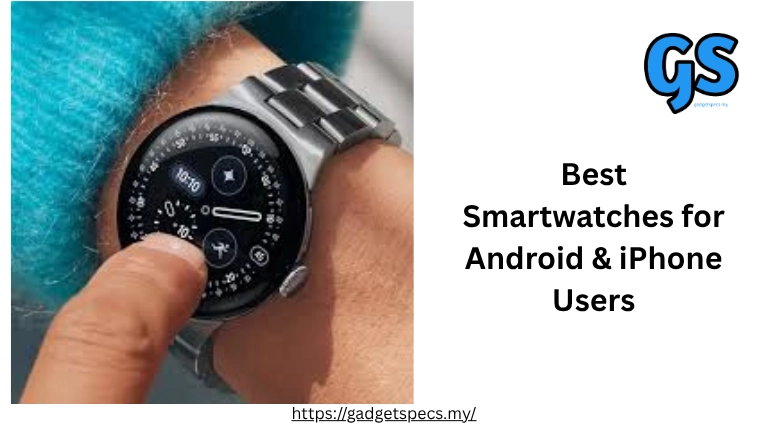
Best Smartwatches for Android & iPhone Users in Malaysia 2026
Searching for the best smartwatches for Android and iPhone users in Malaysia? Choosing the right smartwatch depends heavily on your smartphone platform, budget, and specific needs. Moreover, compatibility issues mean some excellent smartwatches work brilliantly with Android but poorly with iPhone, and vice versa. Therefore, understanding platform-specific strengths and limitations proves essential before investing RM1,000-3,000 in a smartwatch purchase.
In this comprehensive buying guide, we’ll review the best smartwatches for both Android and iPhone users available in Malaysia throughout 2026. Additionally, we’ll compare Apple Watch Series 10, Samsung Galaxy Watch 7, Google Pixel Watch 3, and other top options with honest assessments of features, performance, battery life, and value. Furthermore, we’ll explain which smartwatches work best with specific phone brands and why ecosystem integration matters significantly. Consequently, you’ll understand exactly which smartwatch delivers the best experience for your specific smartphone and usage patterns.
Quick Recommendation Guide
For iPhone Users: Apple Watch Series 10 (RM1,899-2,399) remains the undisputed best choice, offering seamless iOS integration, excellent app ecosystem, and comprehensive health tracking. Moreover, no Android smartwatch works as well with iPhones. Consequently, iPhone users should prioritize Apple Watch unless budget constraints require alternatives.
For Android Users: Samsung Galaxy Watch 7 (RM1,499-1,799) delivers the best overall experience for Samsung phone users specifically, while Google Pixel Watch 3 (RM1,799-2,199) offers pure Android experience for non-Samsung Android phones. Additionally, budget-conscious buyers should consider Amazfit GTR 4 (RM799-899) or Xiaomi Watch S3 (RM899-999) for excellent value with acceptable compromises. Therefore, Android users enjoy more choice but must consider phone brand compatibility carefully.
Platform Compatibility Reality – Why Your Phone Matters
Before discussing specific smartwatches, understanding platform compatibility limitations proves essential. Importantly, smartwatches designed for one ecosystem often work poorly or not at all with competing platforms. Moreover, even when basic pairing succeeds, feature limitations severely compromise user experience. Therefore, your smartphone choice dramatically narrows smartwatch options.
The Compatibility Matrix
| Smartwatch | Works with iPhone? | Works with Android? | Best Phone Match |
|---|---|---|---|
| Apple Watch Series 10 | ✅ Perfect (full features) | ❌ Not compatible at all | Any iPhone (iPhone 12 or newer recommended) |
| Samsung Galaxy Watch 7 | ⚠️ Limited (basic features only) | ✅ Excellent with Samsung phones | Samsung Galaxy S24/S26, Z Fold/Flip series |
| Google Pixel Watch 3 | ⚠️ Limited (basic features only) | ✅ Excellent with all Android phones | Google Pixel 9, but works well with any Android |
| Huawei Watch GT 4 | ⚠️ Limited (basic features) | ⚠️ Good but HMS limitations | Huawei phones, acceptable with others |
| Amazfit GTR 4 | ⚠️ Basic functionality | ✅ Good with all Android phones | Budget option for any Android phone |
Best Smartwatches for iPhone Users in Malaysia
For iPhone users, the choice remains straightforward: Apple Watch dominates so completely that alternatives barely compete. Moreover, the seamless iOS integration, comprehensive health features, and extensive app ecosystem create value that Android smartwatches simply cannot match when paired with iPhones. Therefore, iPhone users should focus on which Apple Watch model fits their budget and needs rather than considering non-Apple alternatives.
The Apple Watch Series 10 represents the pinnacle of iPhone smartwatch integration. Specifically, it offers the largest and brightest display in Apple Watch history, faster S10 processor, advanced health sensors including temperature and sleep apnea detection, and comprehensive fitness tracking. Moreover, the seamless integration with iPhone, iMessage, Apple Pay, and iOS ecosystem creates unmatched user experience. Additionally, watchOS 11 brings AI-powered features and improved battery life reaching 36-48 hours with optimized usage.
Key Features & Specifications:
- Display: 46mm (GPS) or 50mm (GPS + Cellular) LTPO OLED, Always-On, 3000 nits brightness
- Processor: Apple S10 SiP with AI capabilities
- Health Sensors: ECG, Blood Oxygen, temperature, sleep apnea detection, crash detection
- Battery Life: 36 hours typical, up to 48 hours with Low Power Mode
- Water Resistance: WR100 (100m swimming), IP6X dust resistant
- Connectivity: Wi-Fi 6, Bluetooth 5.3, GPS + Cellular option
- Storage: 64GB internal storage
Pricing & Variants (Malaysia):
- GPS Only (46mm): RM1,899
- GPS + Cellular (46mm): RM2,199
- GPS Only (50mm): RM2,099
- GPS + Cellular (50mm): RM2,399
Strengths:
- Perfect seamless integration with iPhone ecosystem
- Best-in-class health and fitness tracking accuracy
- Extensive app ecosystem with 20,000+ watch apps
- Excellent build quality and premium materials
- Industry-leading software support (5+ years of updates)
- Advanced safety features (Fall Detection, Crash Detection, Emergency SOS)
Weaknesses:
- Most expensive option for smartwatches
- Battery life shorter than some Android competitors
- Requires iPhone — zero Android compatibility
- Cellular plan adds ongoing monthly cost (RM30-50/month)
For budget-conscious iPhone users, the Apple Watch SE delivers excellent value by retaining core Apple Watch features while cutting advanced health sensors. Specifically, you still get seamless iPhone integration, comprehensive fitness tracking, and full app ecosystem access. However, the SE omits Always-On Display, ECG, Blood Oxygen, and temperature sensors. Nevertheless, for users prioritizing fitness tracking and notifications over advanced health monitoring, the SE represents smart value at RM700-900 less than Series 10.
Best For:
- Budget-conscious iPhone users wanting Apple Watch experience
- Fitness enthusiasts who don’t need advanced health sensors
- First-time smartwatch buyers testing the ecosystem
- Users upgrading from older Apple Watch models (Series 3-6)
Best Smartwatches for Android Users in Malaysia
Android users enjoy significantly more smartwatch choice compared to iPhone users. Moreover, options range from premium Samsung Galaxy Watch with deep ecosystem integration to budget Amazfit watches delivering excellent value. However, compatibility considerations still matter — Samsung Galaxy Watches work best with Samsung phones, while Google Pixel Watch offers pure Android experience for all brands. Therefore, Android users must balance brand ecosystem, budget, and desired features carefully.
The Samsung Galaxy Watch 7 delivers premium smartwatch experience specifically optimized for Samsung Galaxy phone users. Specifically, it features Samsung’s new Exynos W1000 processor providing flagship performance, beautiful 1.5″ Super AMOLED display, comprehensive health tracking with BioActive sensor, and seamless Samsung ecosystem integration. Moreover, Galaxy AI features enable intelligent health insights, workout recommendations, and smart suggestions. Additionally, multi-day battery life and premium build quality compete directly with Apple Watch.
Key Features & Specifications:
- Display: 1.5″ Super AMOLED, Always-On, 480×480 resolution, sapphire crystal
- Processor: Samsung Exynos W1000 (3nm), 2GB RAM
- Health Sensors: BioActive sensor (HR, ECG, Body Composition, Blood Pressure), SpO2, sleep tracking
- Battery Life: 50-60 hours typical usage, 30 hours with Always-On Display
- Water Resistance: 5ATM + IP68, MIL-STD-810H durability
- Storage: 32GB internal storage
- OS: Wear OS 5 with One UI Watch 6
Pricing & Variants:
- 40mm Bluetooth: RM1,499
- 44mm Bluetooth: RM1,599
- 44mm LTE: RM1,799
Samsung Ecosystem Advantages:
- Seamless pairing with Samsung phones (one-tap setup)
- Samsung Pay with MST technology (works with older terminals)
- Galaxy Buds integration with automatic device switching
- SmartThings home control directly from watch
- Galaxy phone camera remote control with live preview
- Find My Phone/Watch features with precise location
Weaknesses:
- Best features require Samsung phone (limited with other Android brands)
- Blood pressure monitoring only available in select regions
- Premium pricing compared to budget alternatives
- Smaller app selection compared to Apple Watch
The Google Pixel Watch 3 delivers pure Google Wear OS experience without brand-specific limitations. Specifically, it works excellently with any Android phone brand — Xiaomi, OnePlus, POCO, Realme, or others. Moreover, Google’s Fitbit integration provides comprehensive health and fitness tracking rivaling dedicated fitness trackers. Additionally, Google Assistant integration, seamless Google Home control, and direct YouTube Music access create compelling value for Google ecosystem users.
Key Features:
- Display: 1.4″ AMOLED (45mm) or 1.2″ (41mm), Always-On, Gorilla Glass 5
- Processor: Qualcomm Snapdragon W5+ Gen 2, 2GB RAM
- Health Tracking: Fitbit integration, ECG, stress management, sleep stages, skin temperature
- Battery Life: 36 hours typical, 24 hours with Always-On Display and active tracking
- Unique Features: Deep Google Assistant integration, Nest camera live view on wrist
Strengths:
- Works excellently with ALL Android phone brands (not just Pixel)
- Pure Wear OS experience without heavy manufacturer customization
- Excellent Fitbit health tracking integration
- Premium build quality with stainless steel and sapphire crystal options
- Deep Google ecosystem integration (Assistant, Home, Maps, etc.)
Weaknesses:
- Premium pricing without Samsung’s advanced health features
- Battery life shorter than Samsung Galaxy Watch 7
- Limited to two size options (41mm, 45mm)
- Fitbit Premium subscription required for advanced features (RM40/month)
For budget-conscious Android users, the Amazfit GTR 4 delivers exceptional value at under RM900. Specifically, it offers comprehensive fitness tracking, excellent 14-day battery life, beautiful AMOLED display, and acceptable smartwatch features. Moreover, offline Alexa support, music storage, and GPS functionality provide premium features at budget pricing. However, limited app ecosystem and basic notification handling represent acceptable trade-offs for the price.
Key Value Propositions:
- Outstanding Battery: 14 days typical usage, 24 days battery saver mode
- Premium Display: 1.43″ AMOLED, Always-On, 466×466 resolution
- Comprehensive Tracking: 150+ sports modes, dual-band GPS, heart rate, SpO2, stress
- Good Build Quality: Aluminum alloy body, 5ATM water resistance, Gorilla Glass 3
- Pricing: RM799-899 — less than half the cost of premium alternatives
Acceptable Compromises:
- Limited app ecosystem (no third-party apps)
- Basic notification support (no rich interactions or replies)
- Proprietary Zepp OS instead of Wear OS
- Less accurate health tracking compared to premium options
Complete Smartwatch Comparison – All Recommendations
| Smartwatch | Best For | Price (RM) | Battery Life | Rating |
|---|---|---|---|---|
| Apple Watch Series 10 | iPhone users (premium) | 1,899 – 2,399 | 36-48 hours | ★★★★★ 9.5/10 |
| Apple Watch SE (3rd Gen) | iPhone users (budget) | 1,199 – 1,499 | 36 hours | ★★★★☆ 8.5/10 |
| Samsung Galaxy Watch 7 | Samsung phone users | 1,499 – 1,799 | 50-60 hours | ★★★★★ 9.3/10 |
| Google Pixel Watch 3 | Non-Samsung Android users | 1,799 – 2,199 | 36 hours | ★★★★☆ 8.8/10 |
| Amazfit GTR 4 | Budget Android users | 799 – 899 | 14 days | ★★★★☆ 8.2/10 |
| Xiaomi Watch S3 | Budget Android (MIUI) | 899 – 999 | 12 days | ★★★★☆ 8.0/10 |
| Huawei Watch GT 4 | Huawei phone users | 1,099 – 1,299 | 14 days | ★★★★☆ 7.8/10 |
Complete Smartwatch Buying Guide for Malaysia
Step 1: Determine Your Phone’s Ecosystem
First and foremost, identify your smartphone platform as this dramatically narrows smartwatch options. Specifically, iPhone users must choose Apple Watch for optimal experience, while Android users gain more flexibility. Moreover, Samsung phone users benefit significantly from Galaxy Watch ecosystem integration. Therefore, always prioritize smartwatches designed for your phone’s platform rather than forcing cross-platform compatibility.
Step 2: Define Your Budget Range
| Budget Range | Best Options | What to Expect |
|---|---|---|
| Under RM1,000 | Amazfit GTR 4, Xiaomi Watch S3 | Good fitness tracking, long battery, limited smart features |
| RM1,000 – RM1,500 | Apple Watch SE, Samsung Galaxy Watch 6 | Solid smartwatch experience with good ecosystem integration |
| RM1,500 – RM2,000 | Samsung Galaxy Watch 7, Google Pixel Watch 3 | Premium features, excellent health tracking, strong performance |
| Above RM2,000 | Apple Watch Series 10 (Cellular) | Best-in-class experience, advanced health sensors, premium materials |
Step 3: Prioritize Your Essential Features
- Health Tracking Priority: Choose Apple Watch Series 10 (iPhone) or Samsung Galaxy Watch 7 (Android) for most accurate ECG, blood oxygen, sleep tracking, and comprehensive health insights.
- Fitness Tracking Priority: Consider Google Pixel Watch 3 for Fitbit integration or budget Amazfit/Xiaomi watches offering 150+ sports modes at fraction of the cost.
- Battery Life Priority: Choose Amazfit GTR 4 (14 days), Xiaomi Watch S3 (12 days), or Samsung Galaxy Watch 7 (50-60 hours) for longest endurance. Avoid Apple Watch if multi-day battery proves essential.
- App Ecosystem Priority: Apple Watch offers 20,000+ apps (best selection), Samsung Galaxy Watch provides solid Wear OS apps, while budget watches have minimal third-party app support.
- Cellular Connectivity: Only Apple Watch Series 10 Cellular and Samsung Galaxy Watch 7 LTE offer standalone calling/data. Requires monthly cellular plan (RM30-50) from Malaysian telcos.
Step 4: Consider Long-Term Costs
- Cellular Plans: RM30-50/month if you want LTE connectivity (Celcom, Digi, Maxis offer watch plans)
- Premium Subscriptions: Fitbit Premium (RM40/month) for Pixel Watch advanced features
- Band Replacements: Original bands cost RM200-500, third-party RM50-150
- Battery Replacement: RM300-600 after 2-3 years (official service centers)
- Insurance/AppleCare+: RM300-500/year for premium watches
Related Tech Buying Guides for Malaysia
If you’re researching smartwatches and building your tech ecosystem, these comprehensive guides provide valuable context for making informed decisions across all your device purchases:
- Best Samsung phones under RM3,000 in Malaysia — pair your Galaxy Watch with the perfect Samsung phone for seamless ecosystem integration
- Most powerful flagship phones of 2026 in Malaysia — understand which flagship phones work best with premium smartwatches
- Best phones for battery life in Malaysia — if smartwatch battery life concerns you, ensure your phone lasts all day too
- Best camera phones for photography lovers in Malaysia — smartwatches with camera remote control features pair excellently with photography phones
Frequently Asked Questions About Smartwatches
Can I use Samsung Galaxy Watch with iPhone?
Technically yes, Samsung Galaxy Watch can pair with iPhones through the Galaxy Wearable app. However, functionality proves severely limited — you lose Samsung Pay, voice calling, app installation, and many smartwatch features. Moreover, notifications arrive but you cannot interact with them. Additionally, health tracking syncs poorly with Apple Health. Therefore, we strongly advise against pairing Samsung watches with iPhones. Instead, choose Apple Watch for iPhone or switch to Android phone if you want Galaxy Watch functionality.
Which smartwatch has the longest battery life?
Amazfit GTR 4 delivers the longest battery life at approximately 14 days with typical usage (up to 24 days in battery saver mode). Similarly, Xiaomi Watch S3 and Huawei Watch GT 4 achieve 12-14 days. Moreover, Samsung Galaxy Watch 7 offers impressive 50-60 hours (2-3 days) for a premium Wear OS watch. In contrast, Apple Watch Series 10 and Google Pixel Watch 3 last only 36-48 hours maximum, requiring near-daily charging. Therefore, prioritize Amazfit, Xiaomi, or Huawei if battery endurance matters most, accepting limited smartwatch features as trade-off.
Do I need cellular connectivity on my smartwatch?
Cellular connectivity (LTE) allows your smartwatch to make calls, send messages, and use data independently without phone nearby. However, most users don’t need cellular functionality as Bluetooth connection to your phone proves sufficient for typical use. Moreover, cellular models cost RM300-500 more upfront plus RM30-50/month for cellular plans from Malaysian telcos. Therefore, choose cellular only if you frequently exercise without your phone (running, swimming) or work in situations where phone access proves difficult but watch connectivity remains essential. Otherwise, save money with Bluetooth-only models.
Are budget smartwatches worth buying?
Yes, budget smartwatches like Amazfit GTR 4 (RM799-899) or Xiaomi Watch S3 (RM899-999) deliver excellent value for fitness enthusiasts who prioritize tracking over advanced smartwatch features. Specifically, you receive comprehensive sports tracking, long battery life (12-14 days), beautiful AMOLED displays, and acceptable build quality at 30-40% of premium watch costs. However, you sacrifice rich notification handling, third-party apps, voice assistants, and some health tracking accuracy. Therefore, budget watches suit fitness-focused users but disappoint those wanting full smartwatch capabilities for app ecosystems and seamless phone integration.
Can smartwatches detect heart problems accurately?
Premium smartwatches with medical-grade sensors (Apple Watch Series 10, Samsung Galaxy Watch 7) can detect certain heart rhythm abnormalities like atrial fibrillation (AFib) through ECG functionality. Moreover, they monitor heart rate variability, resting heart rate trends, and irregular rhythm notifications. However, smartwatches should complement, not replace, proper medical monitoring. Additionally, false positives occur occasionally, causing unnecessary anxiety. Furthermore, budget smartwatches lack medical-grade sensors and provide less accurate readings unsuitable for medical decisions. Therefore, use smartwatch health data as early warning system and conversation starter with doctors, not as diagnostic tools or medical advice replacement.
How long do smartwatches typically last before replacement?
Premium smartwatches (Apple Watch, Samsung Galaxy Watch) typically last 3-5 years before requiring replacement, limited primarily by battery degradation and software support. Specifically, batteries lose 20-30% capacity after 500-800 charge cycles (approximately 2-3 years), making daily charging increasingly necessary. Moreover, Apple supports Apple Watches for 5-6 years with software updates, while Samsung provides 4-5 years. Additionally, physical wear (scratches, screen damage, water seal degradation) accumulates over time. Budget smartwatches typically last 2-4 years with less robust build quality but longer battery life initially. Therefore, expect to replace smartwatches every 3-4 years on average, similar to smartphone upgrade cycles.
Final Verdict: Choosing Your Perfect Smartwatch
For iPhone Users – Clear Winner:
Apple Watch Series 10 (RM1,899-2,399) remains the undisputed best choice for iPhone users, delivering seamless
integration impossible for Android smartwatches to match. Moreover, comprehensive health tracking, extensive app
ecosystem, and premium build quality justify the investment. Alternatively, Apple Watch SE (RM1,199-1,499) provides
excellent value for budget-conscious buyers sacrificing advanced health sensors. Consequently, iPhone users should
focus exclusively on Apple Watch models rather than considering Android alternatives that offer severely limited
functionality with iOS.
For Samsung Phone Users – Ecosystem Excellence:
Samsung Galaxy Watch 7 (RM1,499-1,799) delivers the best experience for Samsung Galaxy phone owners through deep
ecosystem integration rivaling Apple’s approach. Specifically, seamless pairing, Samsung Pay with MST technology,
advanced health tracking including body composition, and multi-day battery life create compelling value. Moreover,
the premium build quality and Wear OS app selection provide flagship experience at competitive pricing. Therefore,
Samsung phone users should prioritize Galaxy Watch 7 for optimal smartwatch integration and feature completeness.
For Other Android Users – Pure Android Experience:
Google Pixel Watch 3 (RM1,799-2,199) represents the best choice for non-Samsung Android phone users (Xiaomi, OnePlus,
POCO, Realme, etc.) wanting premium smartwatch experience. Specifically, pure Wear OS without heavy manufacturer
customization works excellently across all Android brands. Moreover, Fitbit integration delivers comprehensive health
and fitness tracking rivaling dedicated fitness trackers. Additionally, deep Google ecosystem integration (Assistant,
Home, Maps) creates value for Google service users. Therefore, consider Pixel Watch 3 as the “Apple Watch equivalent”
for non-Samsung Android ecosystems.
For Budget-Conscious Buyers – Outstanding Value:
Amazfit GTR 4 (RM799-899) or Xiaomi Watch S3 (RM899-999) deliver exceptional value for Android users prioritizing
fitness tracking and battery life over advanced smartwatch features. Specifically, you receive 70-80% of premium
smartwatch functionality at 30-40% of the cost, making them smart choices for budget-conscious buyers or fitness
enthusiasts. Moreover, outstanding 12-14 day battery life eliminates charging anxiety completely. However, limited
app ecosystems and basic notification handling represent acceptable trade-offs for the significant cost savings.
Therefore, budget watches suit fitness-focused users perfectly but disappoint those wanting comprehensive smartwatch
capabilities for app ecosystems and rich phone integration.